How to Start a Corporate Pilates Program With No Gym
Learn how to host a corporate mat Pilates program without a dedicated gym by using multi-purpose spaces like conference rooms and understanding the minimal space requirements.
By Julianna · · 5 min read
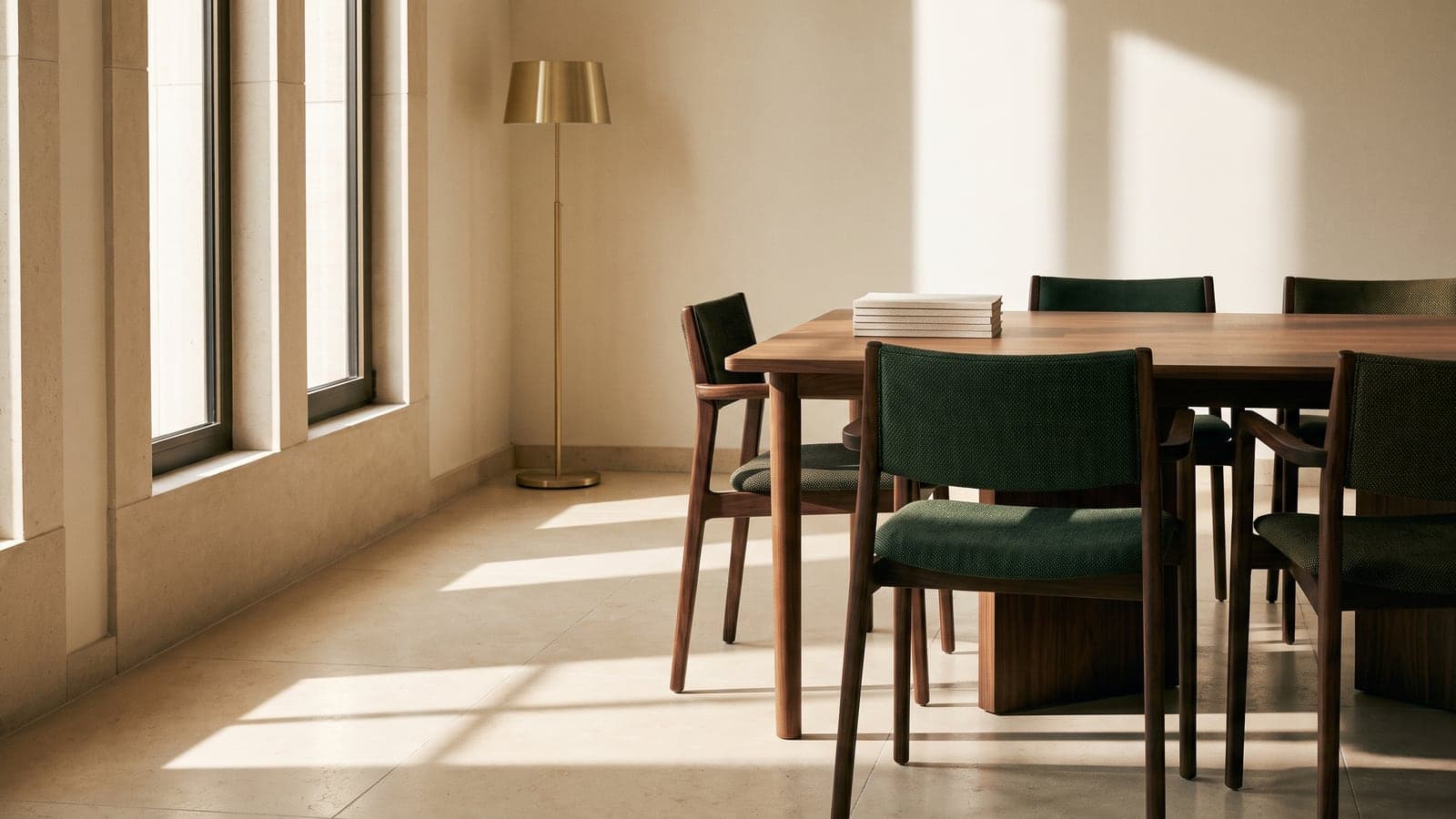
You do not need a dedicated gym to host a corporate mat Pilates program. A session requires a quiet, private area large enough for each participant to lay a mat and move comfortably. Many companies use conference rooms, boardrooms, or open areas outside peak hours. The key is a consistent, private space on the internal calendar, not a permanent fitness room. This distinction shifts the conversation from capital investment in facilities to creative use of existing assets.
What a corporate mat Pilates session actually needs
The space requirements for mat Pilates are surprisingly minimal. The primary need is for clear floor space. Each participant needs an area roughly the size of a yoga mat, with enough clearance to extend their arms and legs without touching a wall, a desk, or another person. A good rule of thumb is to allow for a two-foot buffer around each mat to ensure safety and comfort. The instructor also needs a small area at the front of the room to demonstrate movements and observe the class effectively. The flooring should be a flat, stable surface; commercial-grade carpet, wood, or tile are all suitable. The surface just needs to be predictable and free of hazards.
Beyond space, the environment should be private and relatively quiet. A room with a door that can be closed is ideal to prevent distractions from daily office activity. This ensures employees can focus on the instruction and feel comfortable moving without an audience of colleagues walking by. This psychological comfort is a key component of a successful session. Natural light is a welcome bonus that can improve the atmosphere, but it is not a necessity. The most important factor is consistency. The chosen space should be reliably available at the same time each week to establish a routine. This predictability is crucial for building momentum and encouraging regular attendance in a new program. Without a consistent location, employees may become confused or lose interest.
Finding suitable multi-purpose spaces in your office
Many offices already have rooms that can double as a temporary Pilates studio. The most common solution is the large conference room or boardroom. These rooms are often equipped with movable tables and chairs that can be easily pushed to the perimeter to create an open floor. Since they are designed for presentations and important meetings, they are typically quiet, private, and well-ventilated, making them an excellent choice for a movement class. An office manager can check the room's booking calendar to identify underutilized times, such as early mornings, lunch hours, or late afternoons on days with low meeting density. Often, these large rooms are booked for small meetings out of habit, and a review of usage patterns can reveal significant availability.
Other potential spaces might include a cafeteria or break area outside of mealtimes, a spacious executive office, or even a wide, clear hallway in a low-traffic part of the building. The key is to look at your existing floor plan with a creative eye. An open-plan office might have a flexible "collaboration zone" with modular furniture that sits empty for parts of the day. A company library or a quiet room could also serve the purpose, provided the furniture is mobile. The goal is to find a space that can be quickly converted for the session and just as quickly returned to its original function afterward. The conversion process should take no more than five to ten minutes to be sustainable.
Scheduling sessions in shared areas like conference rooms
Successfully using a shared space for a wellness program comes down to effective scheduling and communication. The class must be treated with the same importance as any other meeting on the company calendar. Book the room for a slightly longer duration than the class itself to allow for setup and breakdown. For a 45-minute class, a 60-minute or even a 75-minute room booking is appropriate. This buffer ensures the class does not feel rushed and that the room is returned to its original state before the next scheduled meeting. It also provides a moment for employees to transition back to their workday without feeling abrupt.
Clear communication with the wider office is also essential. Let employees know when the conference room will be used for the Pilates program. This can be done through a shared calendar, a company-wide email, or simple, professional signage placed outside the door during the session. This transparency prevents scheduling conflicts and sets clear expectations. It also helps to normalize the idea of using office spaces for wellness activities, which can be a positive cultural shift. A well-communicated schedule shows that the company is thoughtfully integrating the program into the workplace, rather than treating it as an afterthought. This integration is key to long-term adoption and success.
A simple checklist for preparing the space
Once a space is chosen and scheduled, a simple pre-class routine ensures a smooth experience. A designated person, whether an office manager or a program champion, can run through a quick checklist before the instructor arrives. First, confirm the furniture is moved to create the maximum amount of clear floor space. This should be done before the scheduled start time. Second, check the room's cleanliness; a quick sweep or vacuum can make a significant difference in how employees feel about using the space. Third, adjust the lighting and temperature to a comfortable level for movement. A room that is too warm or too brightly lit can be distracting.
Finally, ensure any necessary equipment, such as company-provided mats or props, is accessible and in good condition. If employees are bringing their own mats, communicate a clear place for them to be stored before and after class to avoid clutter in the office. This simple preparation routine takes only a few minutes but signals a professional and organized approach to the program. It allows the instructor to arrive and begin teaching immediately, maximizing the time spent on movement. This focus on operational excellence is a key part of running a successful in-office wellness program, as explored in the general corporate offerings. For more answers to common questions, see the FAQ, or book a call to discuss your space.
Private instruction begins with your actual context.